

Import & Logistics · 2026-09-28
How to Import Furniture from China: A Guide
From Incoterms and landed cost to documents and container loading — a practical first-container guide for furniture importers.
Foam density decides sofa durability, comfort and recovery after compression shipping. What importers should specify — and what to demand from a factory.
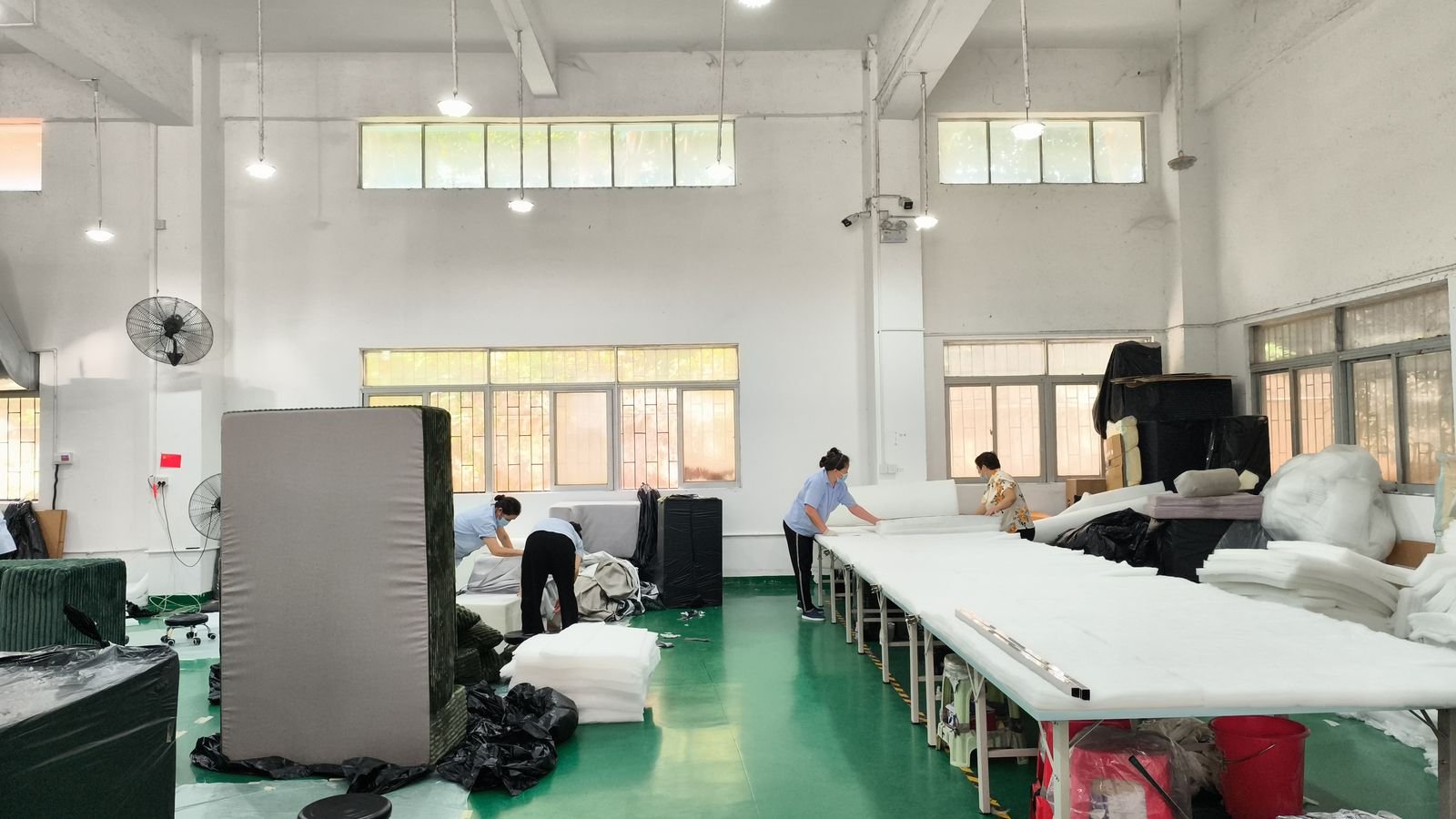
Ask ten buyers what makes a sofa comfortable and you will get ten answers about cushion feel. Ask a factory engineer and they will start with one number: foam density, measured in kilograms per cubic metre. Density is the quietest differentiator in upholstered furniture — it drives durability, cost, and whether a sofa can survive compressed shipping at all.
What density actually tells you. Density is the weight of the foam per unit volume, and it correlates directly with durability and recovery. A low-density foam feels soft on the showroom floor but sags and loses shape within a year of daily use; a higher-density foam costs more but holds its line for years. In the mainstream segment our importers serve, seat cushions typically sit in a density band that balances cost, comfort and longevity — the right grade depends on your market, your price point and the warranty you intend to offer.
How we help importers specify it. Every DIAS program starts with a spec conversation, not a catalogue page. Our 15 in-house designers and 20 senior prototyping technicians (each with 15+ years of craft experience) translate your target market and price point into a concrete material spec: seat density, back cushion softness, foam hardness (ILD), and cover fabric. You approve the numbers before a single sample is cut — and you receive the same numbers in writing with the quotation.
Compression changes the calculation entirely. A foam must be resilient enough to recover fully after being vacuum-sealed and shipped — otherwise the sofa arrives compressed and stays compressed. That is why our compressed line uses high-resilience foam that meets CertiPUR-US standards: it passes our incoming material inspection on density and resilience, and it recovers to its designed shape within 48 to 72 hours after unpacking, even after long warehouse periods.
What the factory must be able to prove. Materials matter only when they are verifiable. At DIAS, every batch of foam is checked before it enters production — part of the "test-before-use" policy behind our certifications — and finished products pass 100% pre-shipment inspection with a first-pass yield above 98%. Every product carries a one-year warranty, so if a cushion fails to perform, the replacement is on us, in writing.
Practical advice for your first program. Start from your warranty promise, not from a sample you liked. If you sell at entry price points, accept that the cushion will not last as long — and say so in your spec rather than discovering it in the reviews. If you promise a two-year warranty, engineer for it. And when you shortlist factories, ask each one to quote density, hardness and compression-set data in writing for the grade they propose. If they cannot, you are buying promises, not foam.
Finally, remember that foam choice and shipping method are linked. A compressed sofa needs a more resilient foam than a rigid one; specifying both together — rather than treating foam as a last-minute decision — is what keeps your landed cost and your return rate from fighting each other.
Browse our sofa range or beds and mattresses, and check our sample and MOQ answers if you are planning a first program. Our how compression cuts shipping costs post covers the freight side of the same decision. To see where these density and recovery numbers are actually checked, start with our sofa manufacturing process guide.
Written by the DIAS export team.
From Incoterms and landed cost to documents and container loading — a practical first-container guide for furniture importers.
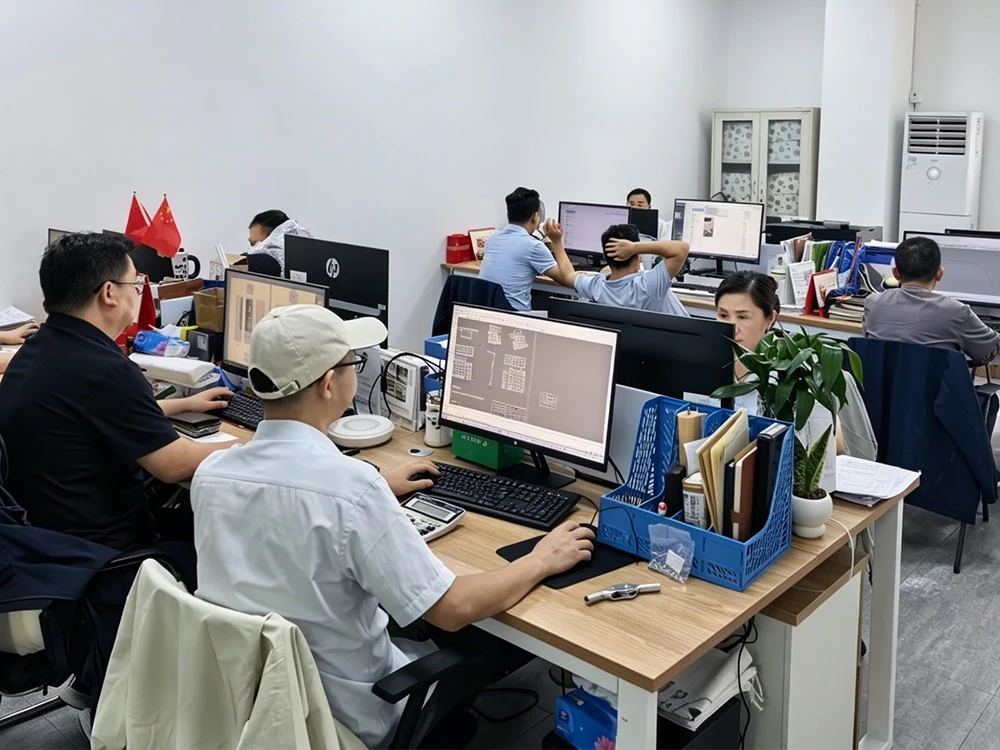
OEM buys your design; ODM adapts the factory's. Compare cost, speed, control and risk — and see which model fits your brand's stage.
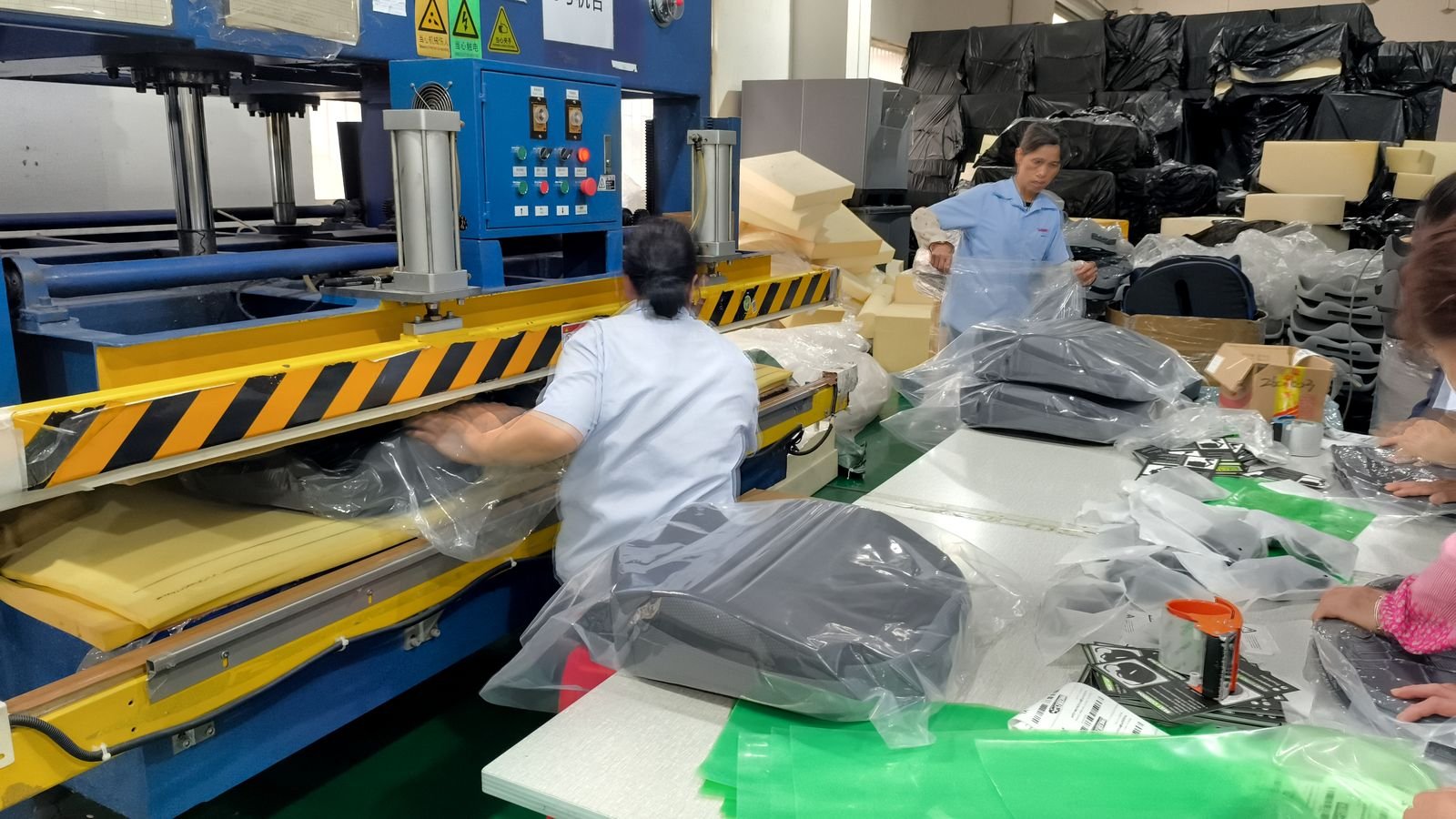
Vacuum compression cuts sofa volume by 60–80%, lowering freight, storage and damage costs. How it works and what to check before you book the container.
Samples in around 10–12 working days. Bulk production typically 30–40 working days. Ask us for your numbers.