
Compression Sofas · 2026-09-04
How Vacuum Compression Cuts Sofa Shipping Costs
Vacuum compression cuts sofa volume by 60–80%, lowering freight, storage and damage costs. How it works and what to check before you book the container.
Compressed sofas ship in 60–80% less volume than rigid models, cutting freight and storage costs. See the real trade-offs before you choose.
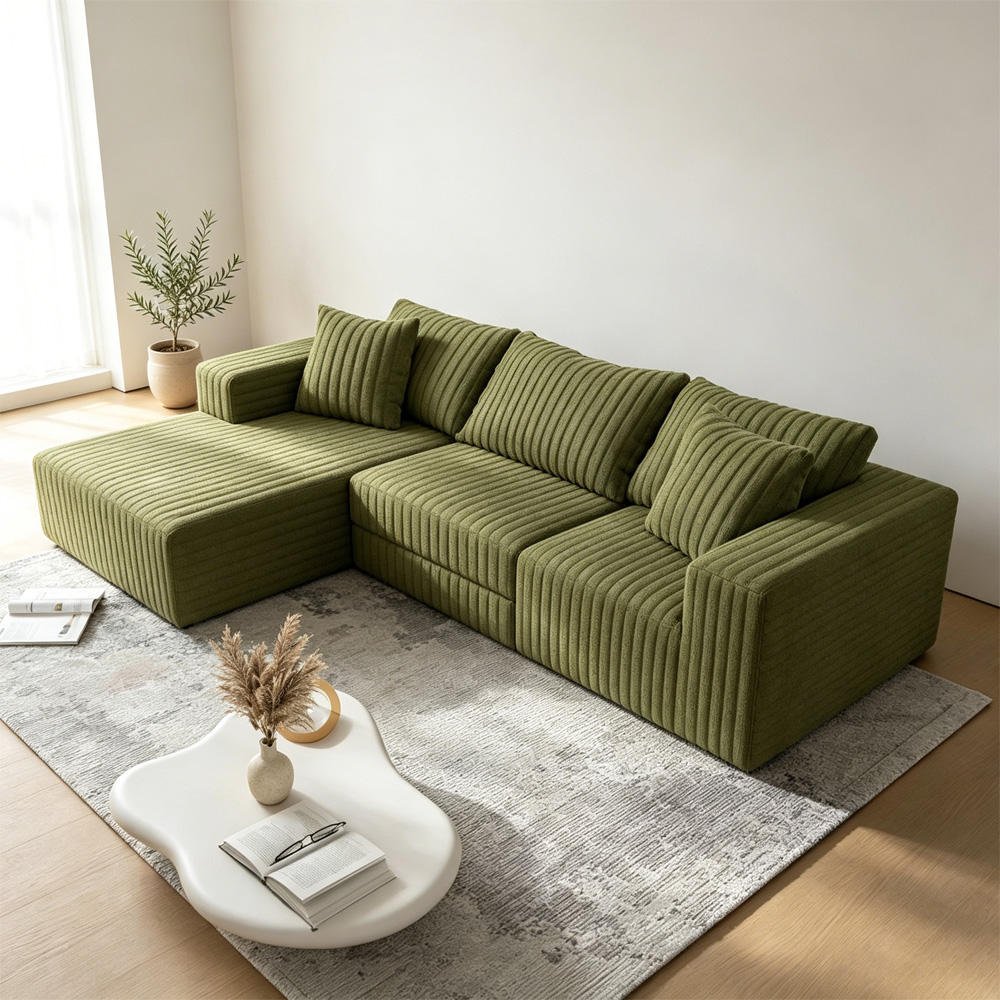
If you import sofas from China — or are about to — one decision shapes your cost structure more than fabric, color or cushion fill: whether the product ships rigid or vacuum-compressed. Both have a place in the market. This guide compares them the way a buying team actually compares them: volume, freight, warehouse, recovery, and the customers each serves best.
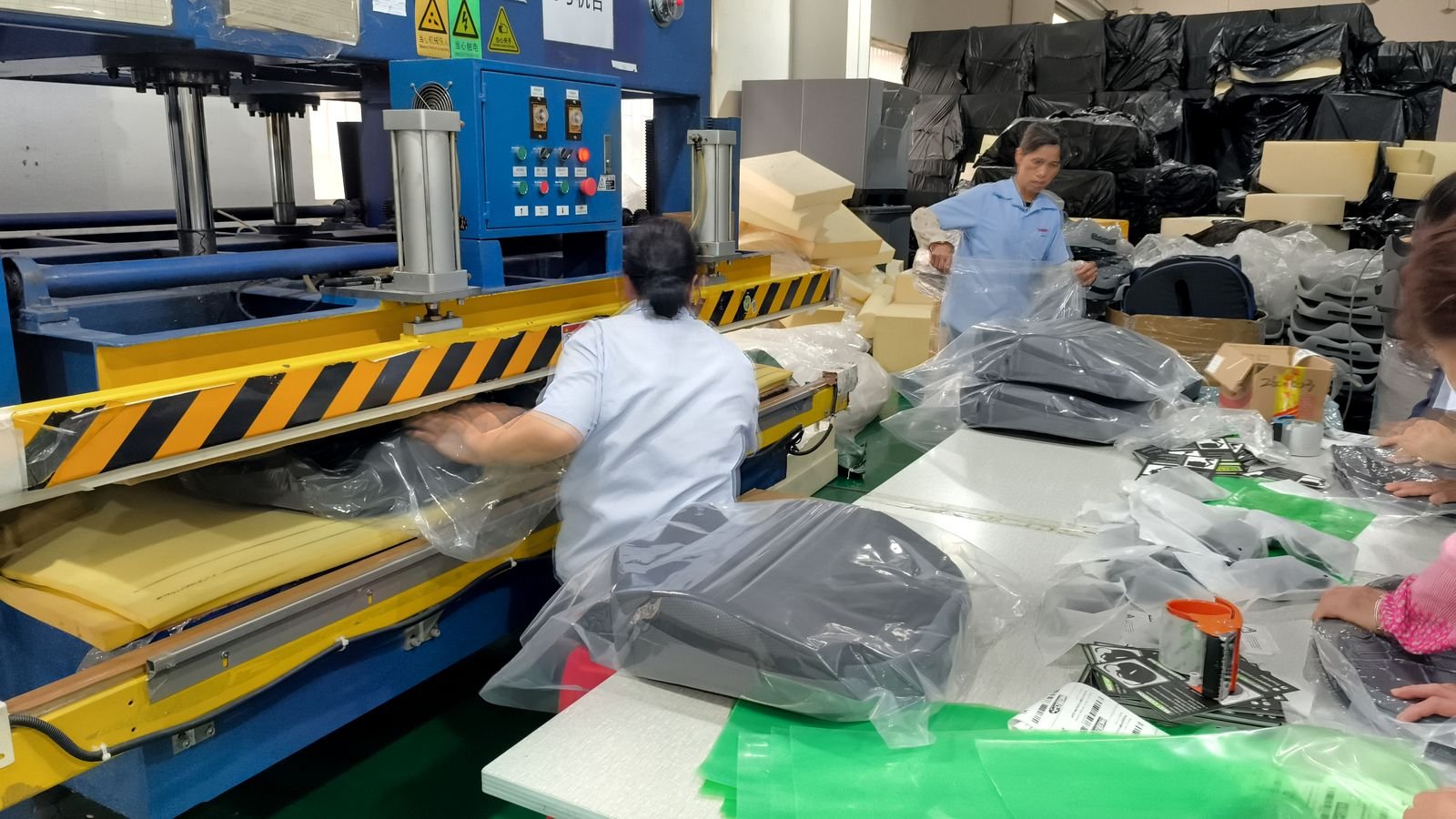
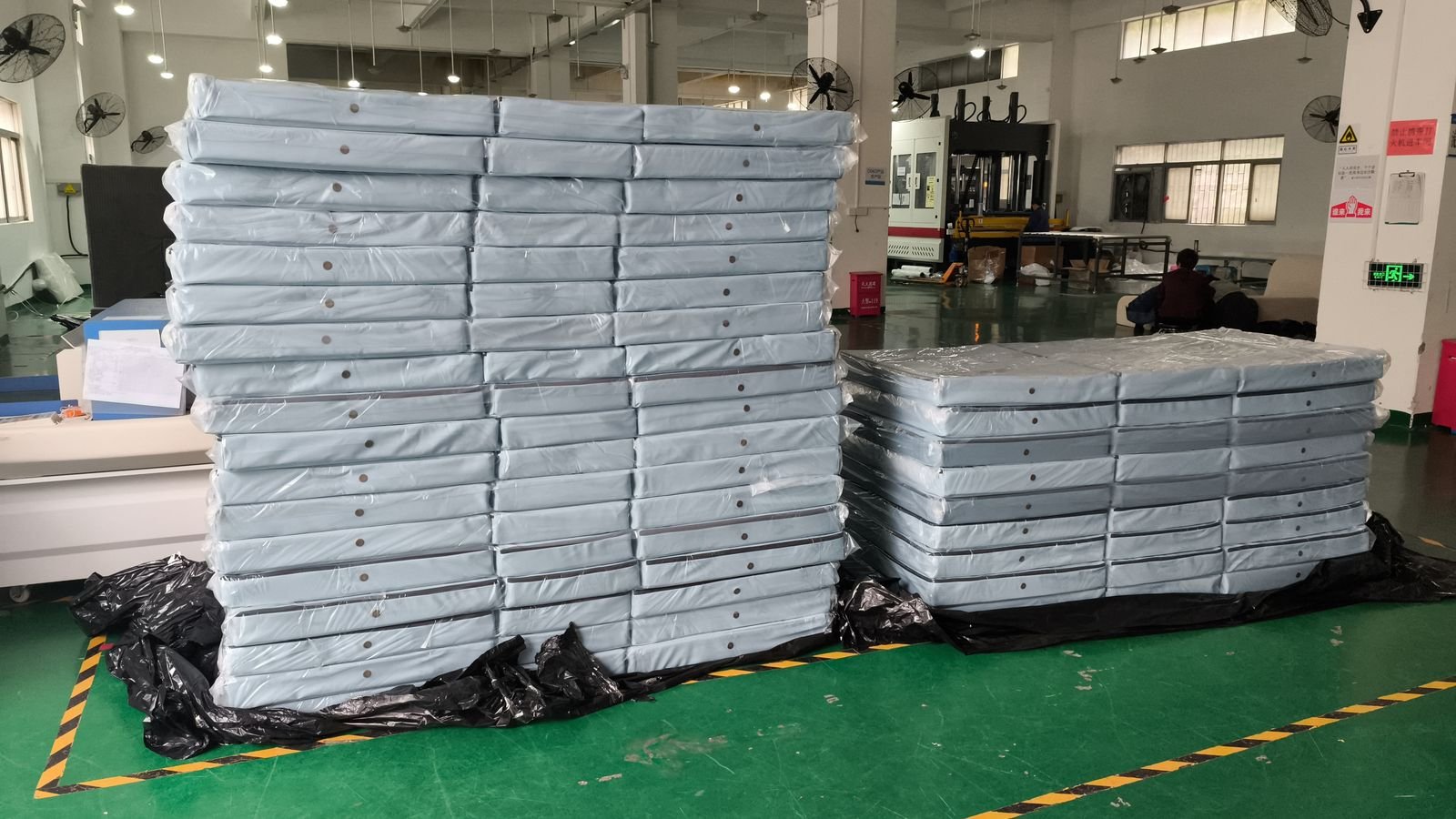
Volume: where the difference starts. A traditional sofa is packed at essentially its finished size — modules stacked, but air is still air. A compressed sofa is vacuum-sealed inside a thick PE bag and packed into a corrugated carton sized to its compressed profile, cutting packed volume by 60–80%. That single number flows through every cost line below it.
Freight: the same container, different arithmetic. Ocean freight is sold by cubic metre and by container. When each unit occupies a fraction of its rigid volume, a 40' container carries far more units — so the per-unit freight line drops in proportion, whether you book FOB Shenzhen, CIF or DDP door-to-door. For air freight and express (DHL, FedEx, UPS), where you pay per kilogram and per volumetric weight, the compressed advantage is even starker.
Warehouse and last mile. Compressed cartons store flat and stack cleanly, so the same warehouse space holds several times more inventory — which lets e-commerce sellers reorder closer to demand instead of committing to slow-moving containers. Cartons sized to the compressed profile fit through standard door frames and up staircases, removing freight elevators, white-glove trucks and window removals from the delivery equation.
The trade-offs buyers ask about. Recovery time is the most common concern: after unpacking, foam needs around 48–72 hours to fully restore at normal room temperature. Recovery speeds up in a ventilated 20–30°C space, with gentle patting of the foam; light fabric wrinkles usually disappear within a day or two, and a household steam iron can smooth stubborn creases. This matters for delivery experience — which is why compressed lines suit e-commerce, drop-shipping and retailers with clear delivery windows, while rigid sofas still win where buyers expect immediate, showroom-ready placement.
Why quality control decides the whole question. Compression is only safe when foam is resilient enough to recover and inspection is rigorous enough to catch defects before sealing. At DIAS, compressed products are built on high-resilience, CertiPUR-US-certified foam, pass 4+3 inspection stages including 100% pre-shipment inspection, and carry a one-year warranty — because a compressed sofa that fails to recover is not a saving, it is a return. Our export experience covers the US, EU, Canada, Australia, the Middle East and beyond, under EXW, FOB, CIF and DDP terms.
Which should you choose? If you sell online, ship long distances, or warehouse in expensive urban space, compression usually wins on margin per unit. If you sell through channels that need a sofa on the floor immediately — showroom displays, hospitality projects, instant-delivery retail — rigid packing may serve you better. Many of our customers run both lines: compressed for e-commerce and drop-ship channels, rigid for display and project orders.
Start with our compressed sofa range, read how vacuum compression cuts landed cost, and ask us for a quotation on both packing options.
Written by the DIAS export team.
Vacuum compression cuts sofa volume by 60–80%, lowering freight, storage and damage costs. How it works and what to check before you book the container.

Foam density decides sofa durability, comfort and recovery after compression shipping. What importers should specify — and what to demand from a factory.
No strict MOQ — small batches welcome. How to size a first sofa order that tests your market, mixes models and protects your cash.
Samples in around 10–12 working days. Bulk production typically 30–40 working days. Ask us for your numbers.