

Import & Logistics · 2026-09-28
How to Import Furniture from China: A Guide
From Incoterms and landed cost to documents and container loading — a practical first-container guide for furniture importers.
Vacuum compression cuts sofa volume by 60–80%, lowering freight, storage and damage costs. How it works and what to check before you book the container.
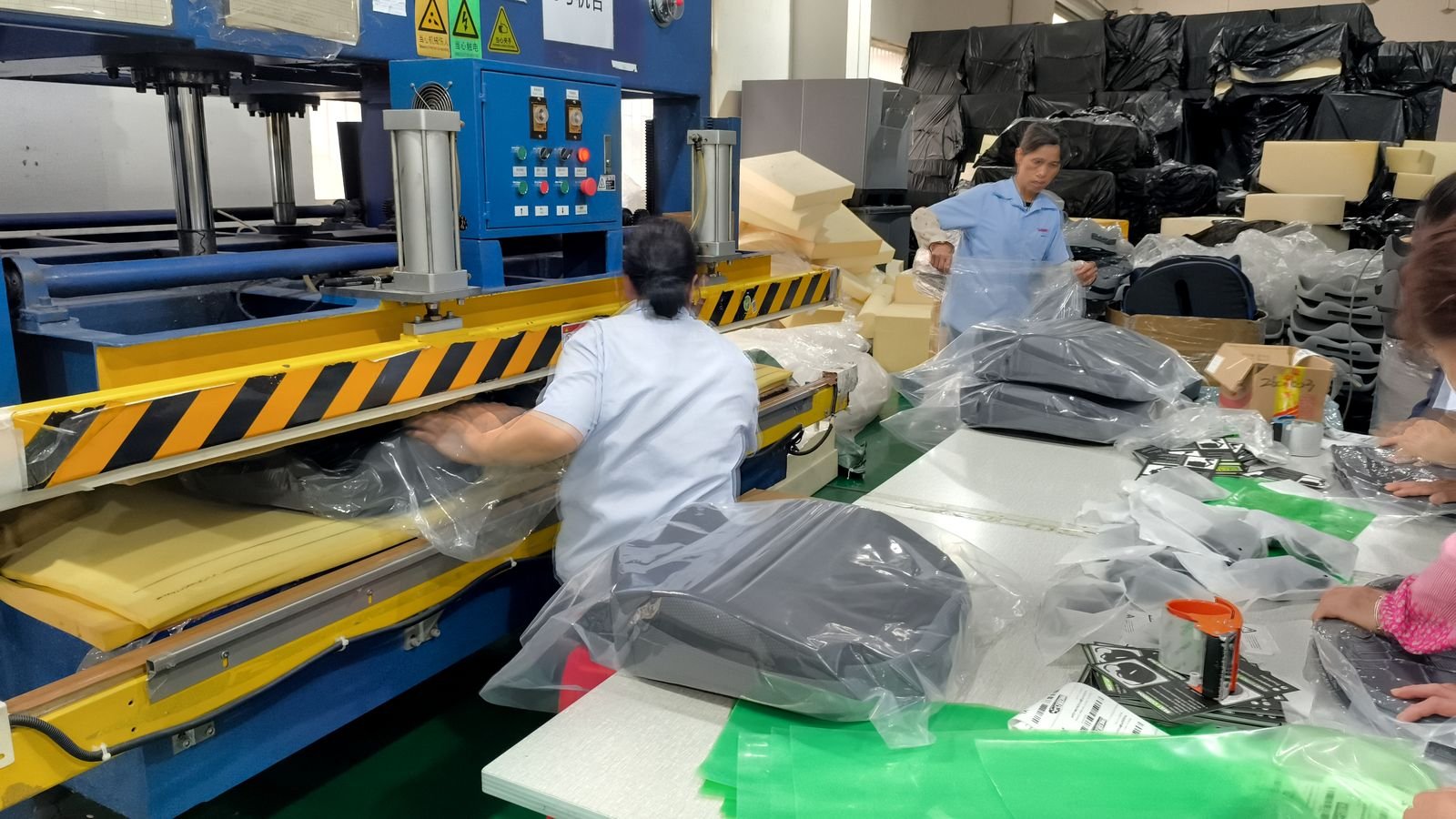
For any furniture importer, freight is usually the second-largest line item after the product itself — and for bulky foam seating, it is often the difference between a profitable program and one that quietly leaks margin. This is exactly the problem vacuum compression was built to solve, and it is why compressed sofas now dominate our export orders to the US, EU and Australia.
How it actually works. At DIAS, every compressed sofa is built on high-resilience foam that has already passed our material inspection. Once the upholstered product is finished and inspected, it is vacuum-sealed inside a thick PE bag, then packed into a strong corrugated carton sized to the compressed profile. The sofa leaves the factory at a fraction of its normal size — between 60% and 80% less packed volume — and the cartons stack cleanly in a standard 40' container with almost no wasted air.
What that does to the container math. A rigid modular sofa eats a large share of a container even when modules are stacked; a compressed line lets you load several times more units into the same booking. Per-unit freight falls in proportion, warehouse space turns faster, and you can order closer to demand instead of betting on a full container of slow movers.
The buyer-side experience compounds the benefit. A compressed carton fits through a standard door frame and up a staircase — no freight elevator, no window removal, no white-glove truck needed. Your end customer unpacks, cuts the bag, and the sofa restores to full shape within 48 to 72 hours at normal room temperature. Recovery speeds up in a ventilated 20–30°C space, with gentle patting of the foam, and normal sitting after 24 hours also helps. Light wrinkles in the fabric usually disappear on their own within a day or two.
Why inspection matters more here than anywhere else. Compression is only safe when the foam is dense and resilient enough to recover — which is why our compressed line is made with high-resilience, CertiPUR-US-certified foam, and why every order passes 100% pre-shipment inspection on top of our standard 4+3 quality checks. We quote a first-pass yield above 98% and stand behind every product with a one-year warranty.
What to ask your supplier. If a factory promotes "compressed sofas," ask for three things in writing: the real packed volume per model, the foam density and recovery spec, and their inspection process before sealing. A supplier who cannot show you these numbers is selling you a shipping method, not a product guarantee.
For e-commerce brands and wholesalers, compression is the quietest margin lever in the category — lower freight per unit, faster inventory turns, fewer transit damage claims, and a delivery experience that earns five-star reviews instead of refund requests.
See our vacuum-compressed sofa range and compare compressed vs traditional sofa shipping, or read our foam density guide for importers. Need a number for your lane? Request a freight-conscious quotation.
Written by the DIAS export team.
From Incoterms and landed cost to documents and container loading — a practical first-container guide for furniture importers.
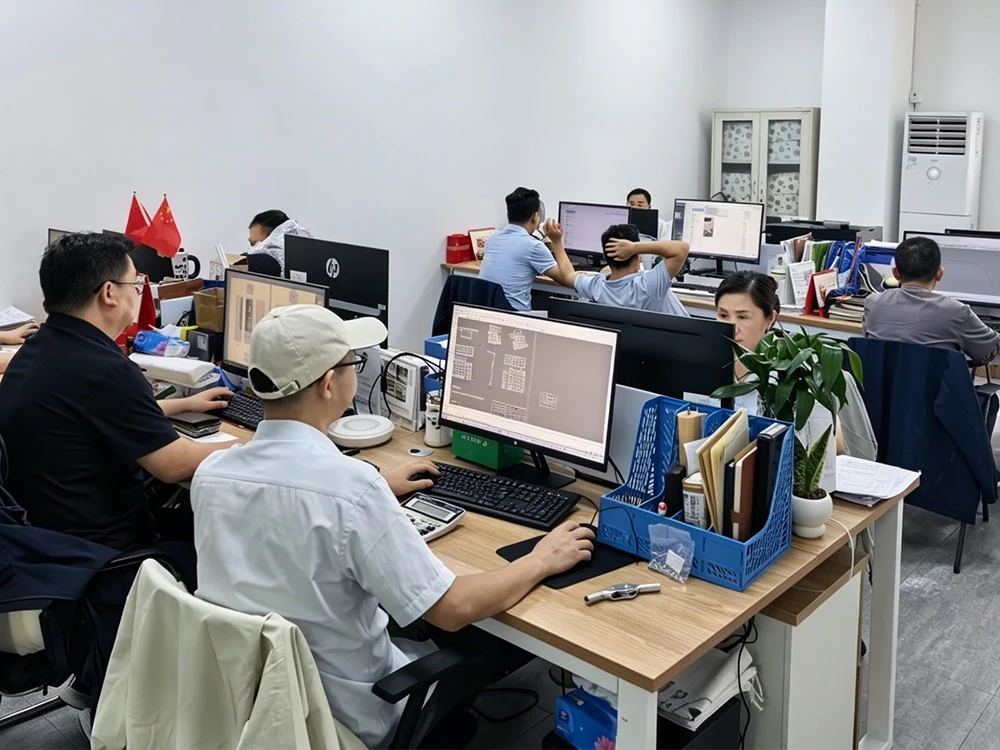
OEM buys your design; ODM adapts the factory's. Compare cost, speed, control and risk — and see which model fits your brand's stage.
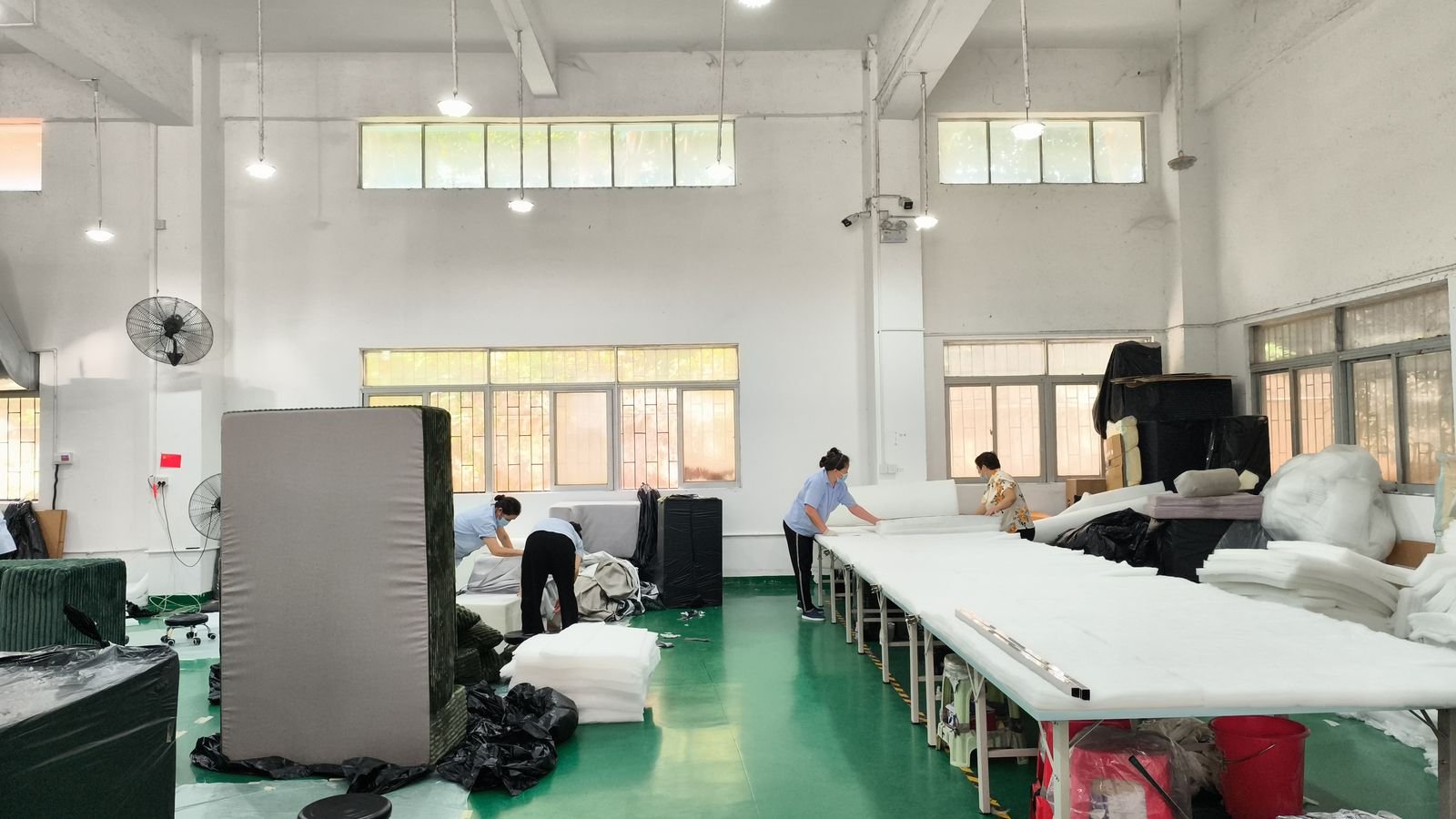
Foam density decides sofa durability, comfort and recovery after compression shipping. What importers should specify — and what to demand from a factory.
Samples in around 10–12 working days. Bulk production typically 30–40 working days. Ask us for your numbers.