
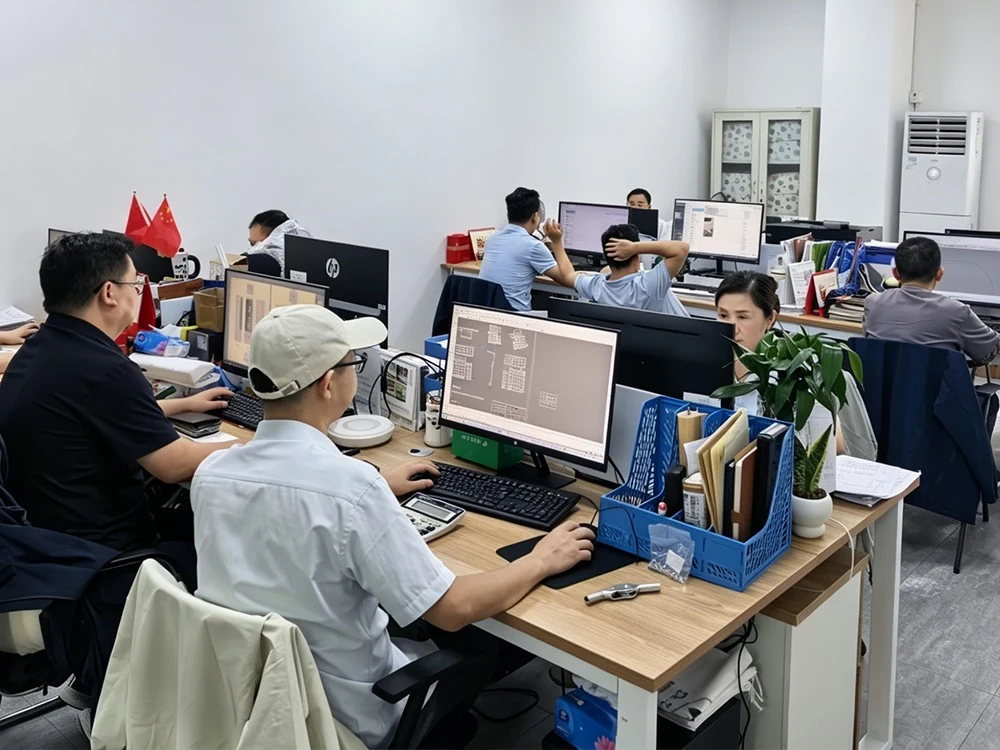
OEM & ODM · 2026-09-28
OEM vs ODM Furniture: Which Model Fits You?
OEM buys your design; ODM adapts the factory's. Compare cost, speed, control and risk — and see which model fits your brand's stage.
From Incoterms and landed cost to documents and container loading — a practical first-container guide for furniture importers.

Learning how to import furniture from China is less about finding a supplier and more about controlling the things that decide your landed cost: the trade term you accept, the volume you actually ship, the documents you can produce, and the timing you commit to. Most first orders that go wrong do not fail at the factory — they fail at the freight quote, the loading plan or the customs file, months before anyone notices the margin is gone. This guide walks through the sequence in the order an experienced importer works, from the first price comparison to the container leaving the port.
Choose the Incoterm before you compare prices. Two quotes for the same sofa are not comparable if one is EXW and the other is DDP. EXW puts every transport step on you, from the factory gate onward. FOB Shenzhen hands over at the port, which is where most experienced importers start, because it keeps control of freight while removing inland logistics from the factory relationship. CIF and CFR add ocean freight and, in the CIF case, insurance — convenient, but you inherit the supplier's choice of carrier and schedule. DDP or DDU pushes delivery and, in the DDP case, duties to the seller, which simplifies your process and hides the cost inside the unit price. Ask every supplier to quote on the same term — and when you compare our compression sofa range, the quote will state the term explicitly.
Count the full landed cost, not the unit price. Landed cost has five visible components and one invisible one. Visible: the product, ocean freight, duties and taxes, port and customs fees, and inland delivery to your warehouse. Invisible: storage, and the cost of a product that does not sell. Be equally careful with what a cheap unit price hides — lower-density foam, thinner cartons, or a packing format that leaves half the container empty. A sofa that ships at 60–80% less packed volume can reduce per-unit freight so much that a slightly higher unit price still lands cheaper. Build the calculation per unit, per cubic metre and per container before you decide anything. A simple way to run it: divide the total landed cost by the number of units, then by the cubic metres those units occupy. The second number is the one that exposes a bad packing decision, because upholstered furniture is priced on space far more often than on weight. If two suppliers quote the same unit price but one product compresses to a much smaller packed profile, the apparently identical quotes are not identical at all — one of them is buying container space you will never use.
Load the container like a buyer. Container loading is where volume decisions become money. Rigid sofas waste air; compressed models are vacuum-sealed and cartoned to a compact profile, then stacked to the container's internal dimensions. Compare packaging options before you fix your order quantity, because flat-pack, vacuum-compressed and palletized formats fill the same box very differently. If you are weighing the two approaches, our comparison of compressed vs traditional shipping shows how the arithmetic changes. And remember the buyer end: a compressed carton fits through a standard door and up a staircase, and the foam restores to full shape within 48–72 hours after unpacking. Two practical checks belong in your loading plan. First, confirm whether the models in one order share a stacking profile, because mixing carton sizes is where usable container volume quietly disappears. Second, ask for packed dimensions and weight per carton in writing, model by model, so you can simulate the load before the truck reaches the factory. Export factories provide these figures routinely; if a supplier cannot, treat their container estimate as marketing rather than engineering.
The cheapest quote is rarely the cheapest container — landed cost is decided by volume, documents and timing, not by unit price.
Prepare the document package before production ends. Documents you assemble at the last minute are the most expensive kind. The core set is a commercial invoice, a packing list, a bill of lading and a certificate of origin; destination markets may also require test reports or declarations for foam, fabrics and children's furniture. Confirm the exact list with your customs broker while goods are still in production, not while they are sitting at the port. Our import compliance checklist covers the requirements that come up most often for the United States, the European Union, Australia and Canada — the four markets where document errors cost importers the most time.
Plan a timeline you can actually hold. Work backwards from the date you need stock, and use real numbers rather than optimistic ones: a sample takes 10–12 working days at our factory, bulk production runs 30–40 working days after the specification is approved, then ocean transit, customs clearance and inland delivery follow. Add a buffer for Chinese New Year, for peak-season port congestion and for the first order, where specification questions always take longer than expected. Buyers who book the container before the spec is signed are the buyers who pay for storage. If you want the arithmetic of compression and freight together, start with how compression cuts landed cost.
Where first orders usually go wrong. Five failures cover most of it. Mixing models in one container without checking whether their packing formats stack together. Approving a sample and treating it as a production guarantee. Leaving compliance and labelling to the destination port. Budgeting for the product, the freight and the duty but not for storage, inland delivery or returns. And ordering one container of a single SKU before a single unit has ever been sold in the target market. Each of these is cheap to prevent and expensive to discover. Two controls reduce the damage from all five: tie payments to milestones instead of sending a single upfront transfer, and arrange cargo insurance before the container sails rather than after something goes wrong. Most factories, including ours, work on T/T terms and accept Trade Assurance, and the payment schedule is worth agreeing in writing at the same moment you agree the price — because a first order is a pilot, and a pilot should be designed so that a mistake costs you a lesson rather than a season.
What to ask before you pay a deposit. Before money moves, get four things in writing: the material and packing specification, the inspection process and what the report will contain, the trade term with named port, and the production and shipping schedule with dates. Ask also what the factory will do if the delivered goods fall outside the agreed spec — a real warranty answer, not a verbal assurance. Finally, confirm the small things that cause disputes later: who owns the packaging artwork, what happens to label changes after production starts, and whether spare parts or replacement covers can be added to a later order. It is also worth asking how the factory handles the second order, because the first order is a negotiation while the second is a process. A supplier who can restate the same specification, inspection routine and lead time without renegotiating is a supplier you can build a catalogue around — predictable replenishment is what turns a good product into a real business. Start the relationship expecting order two to be easier than order one, and choose the partner who can prove it.
See our OEM & ODM process for how a program is specified and sampled, read our compression and logistics guides for the freight side in more depth, and check our FAQ for sampling, terms and lead times. When your specification is ready, request a quote — we reply with a preliminary solution within 24 hours, and a quotation with a logistics proposal within 3 hours once the details are clear.
Written by the DIAS export team.
OEM buys your design; ODM adapts the factory's. Compare cost, speed, control and risk — and see which model fits your brand's stage.
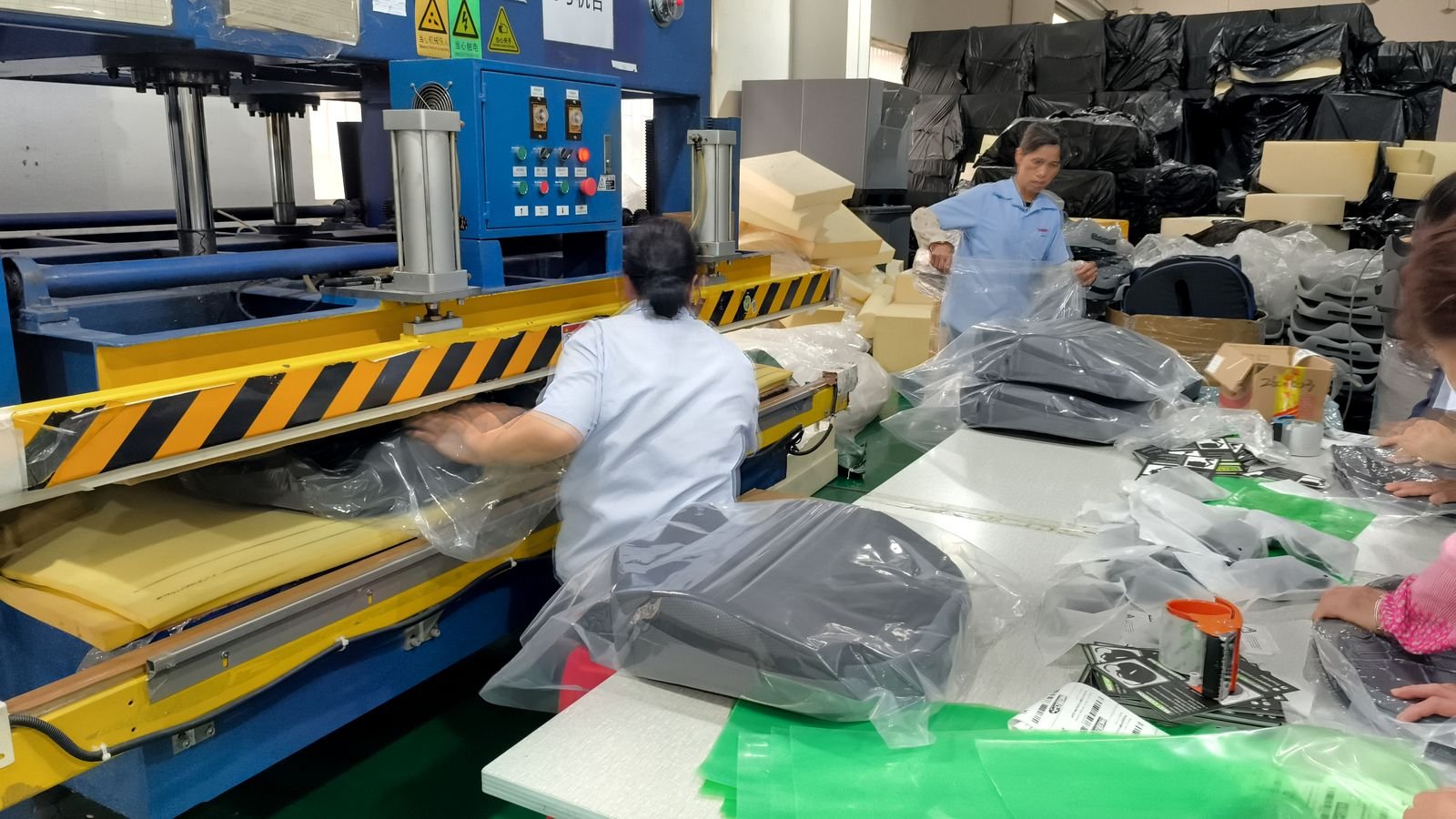
Vacuum compression cuts sofa volume by 60–80%, lowering freight, storage and damage costs. How it works and what to check before you book the container.
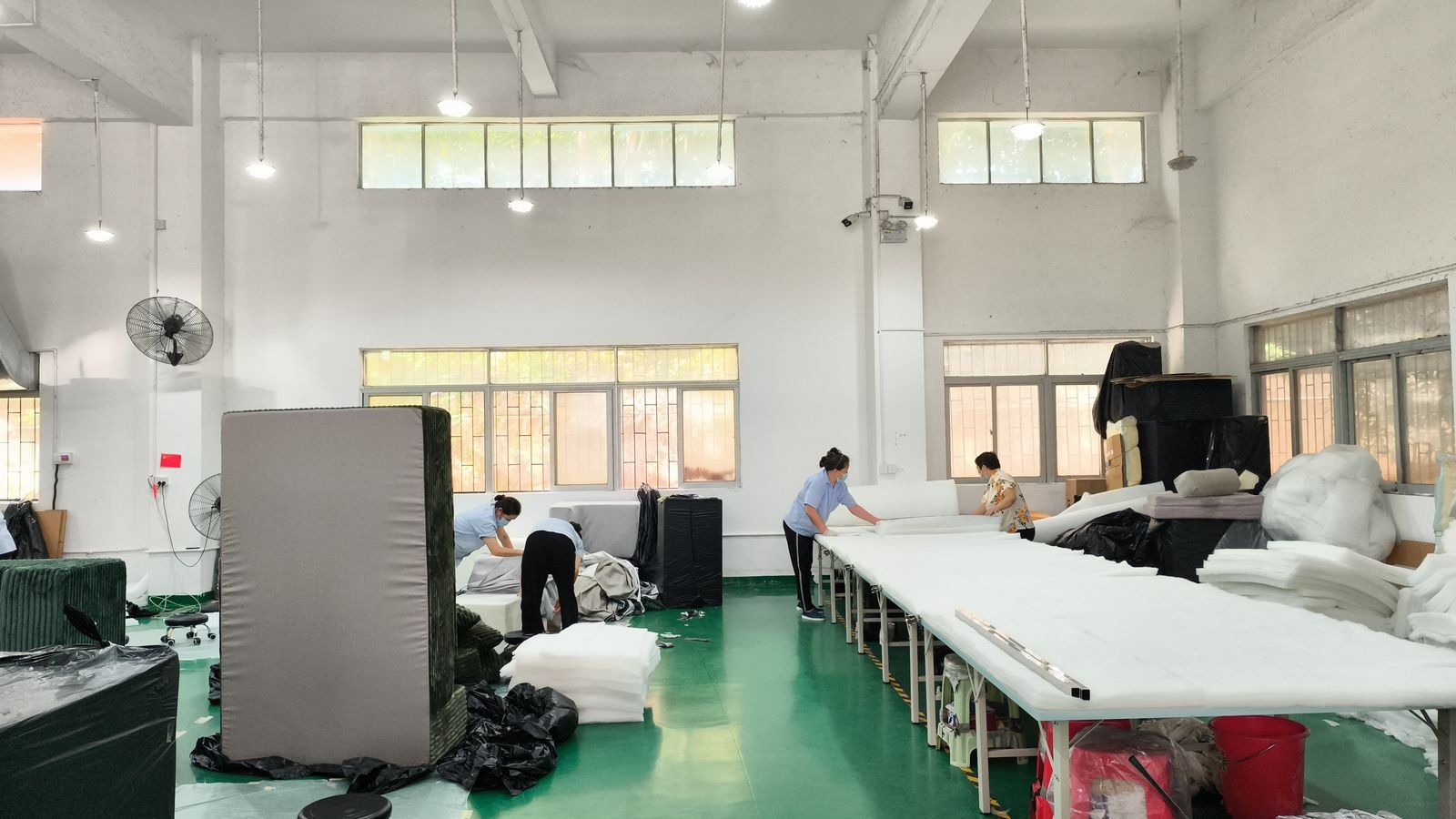
Foam density decides sofa durability, comfort and recovery after compression shipping. What importers should specify — and what to demand from a factory.
Samples in around 10–12 working days. Bulk production typically 30–40 working days. Ask us for your numbers.